Beneficiaries
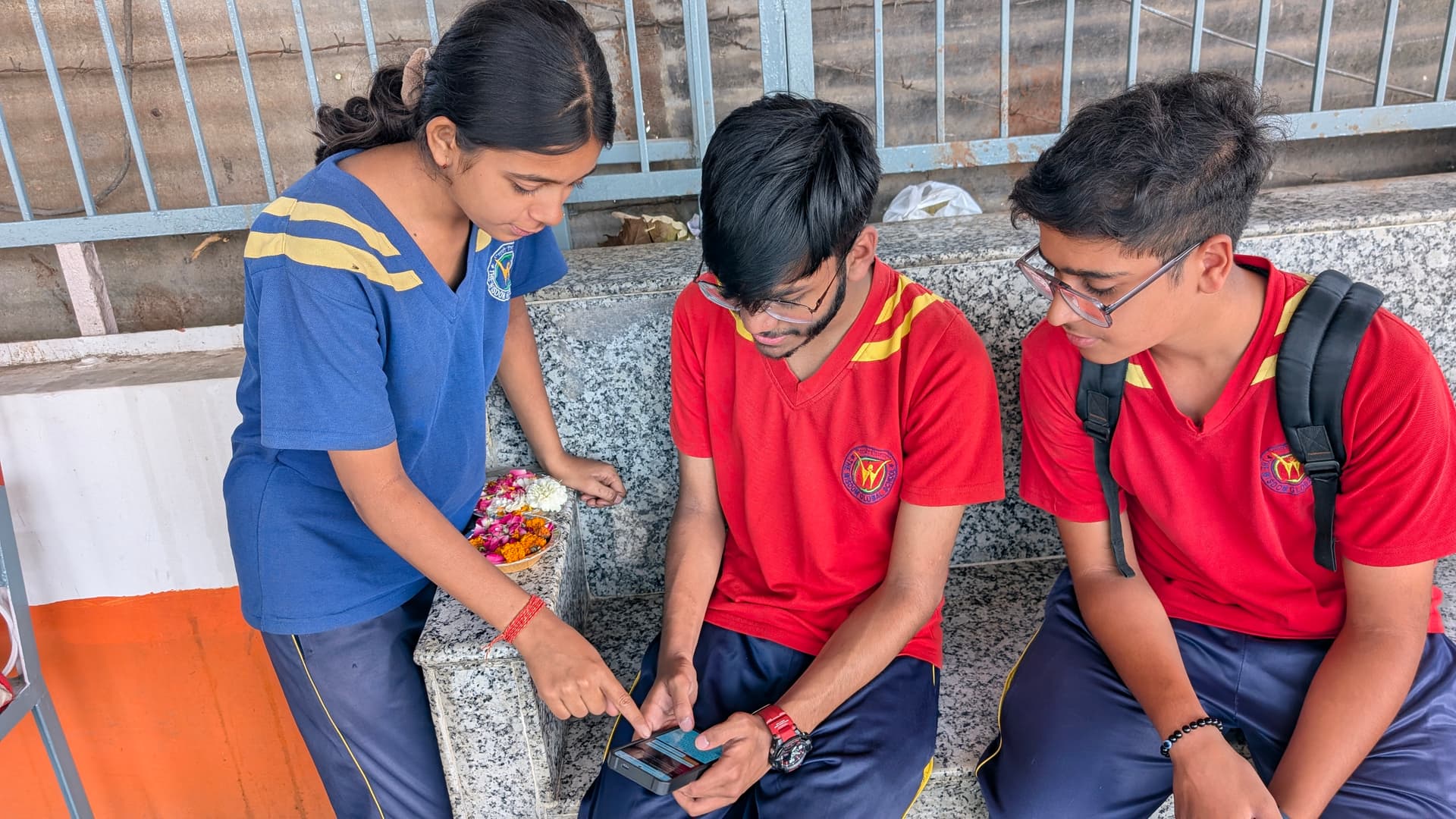
Women-led field review
Flower evidence, phone notes, and female volunteers are visible in the same field frame.
The review moment connects the ghat visit to collection records and production follow-up.
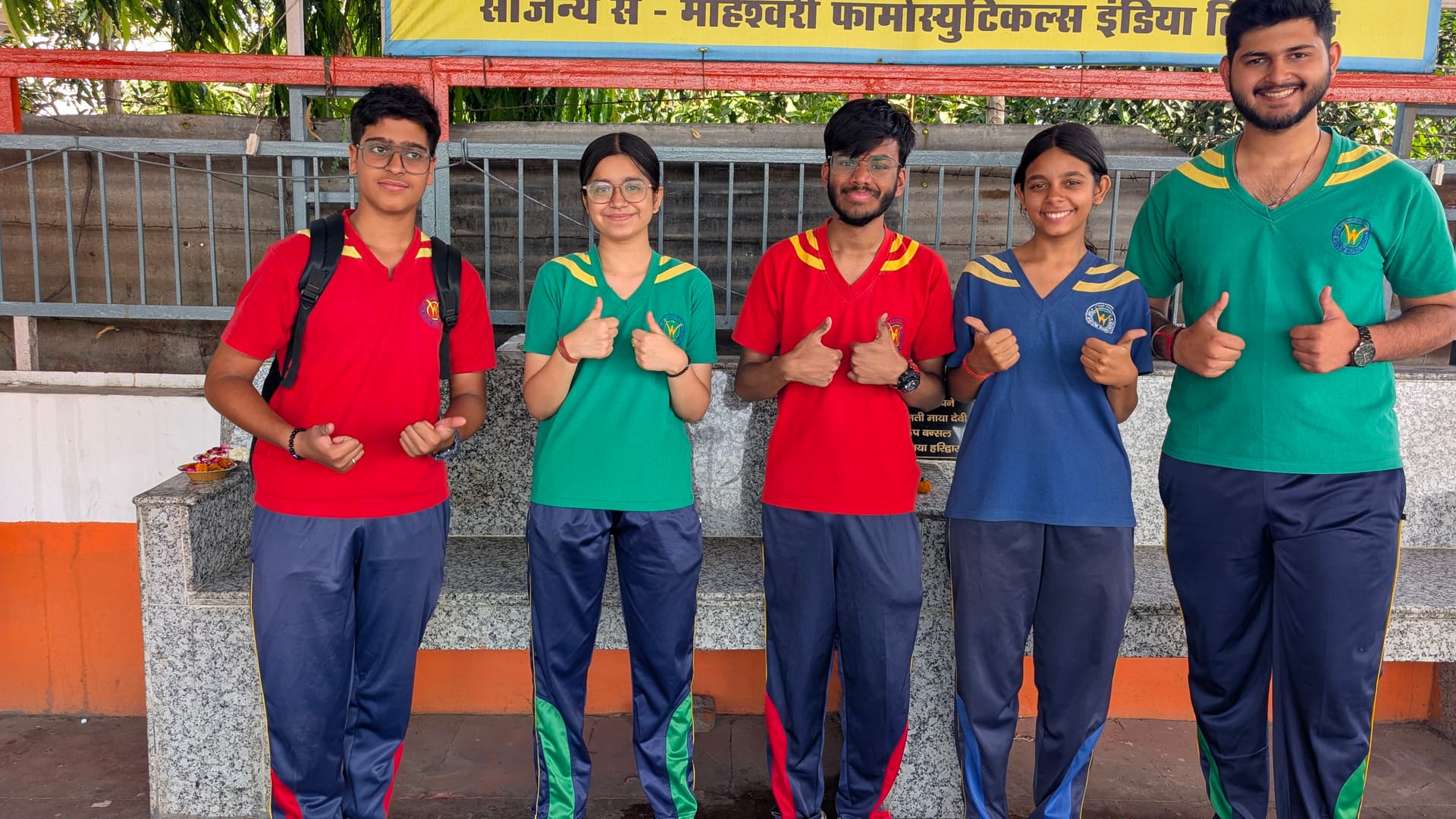
Ganga Bloom field team
The field visit includes the wider student team, with women visible in the public evidence set.
The team coordinated collection notes, photo evidence, and field follow-up during the Haridwar visit.
Families, downstream Ganga communities, and future city chapters benefit when the model is replicable and the records stay plain.
Stakeholders
Temple committees
Enable source-separated collection and route discipline.
Haridwar Municipal Corporation
Reviews waste-diversion relevance and civic alignment.
Uttarakhand Tourism Board
A future storytelling and visitor-education channel.
Jal Shakti
Policy frame for water stewardship and public evidence.
State MoEFCC
Environmental legitimacy and potential state-level acknowledgement.
Enablers
Ganga Bloom
Signed MoU is on file for Ganga Bloom. Commercial figures are not displayed publicly.
Videshway / ACE IVY
Execution partner for product planning, admissions-grade documentation, and operating rhythm.
Crimson Education
Strategic oversight on narrative clarity and evidence standards.
Academic and NGO advisors
Verification, field caution, and quarterly acknowledgement.
Founder
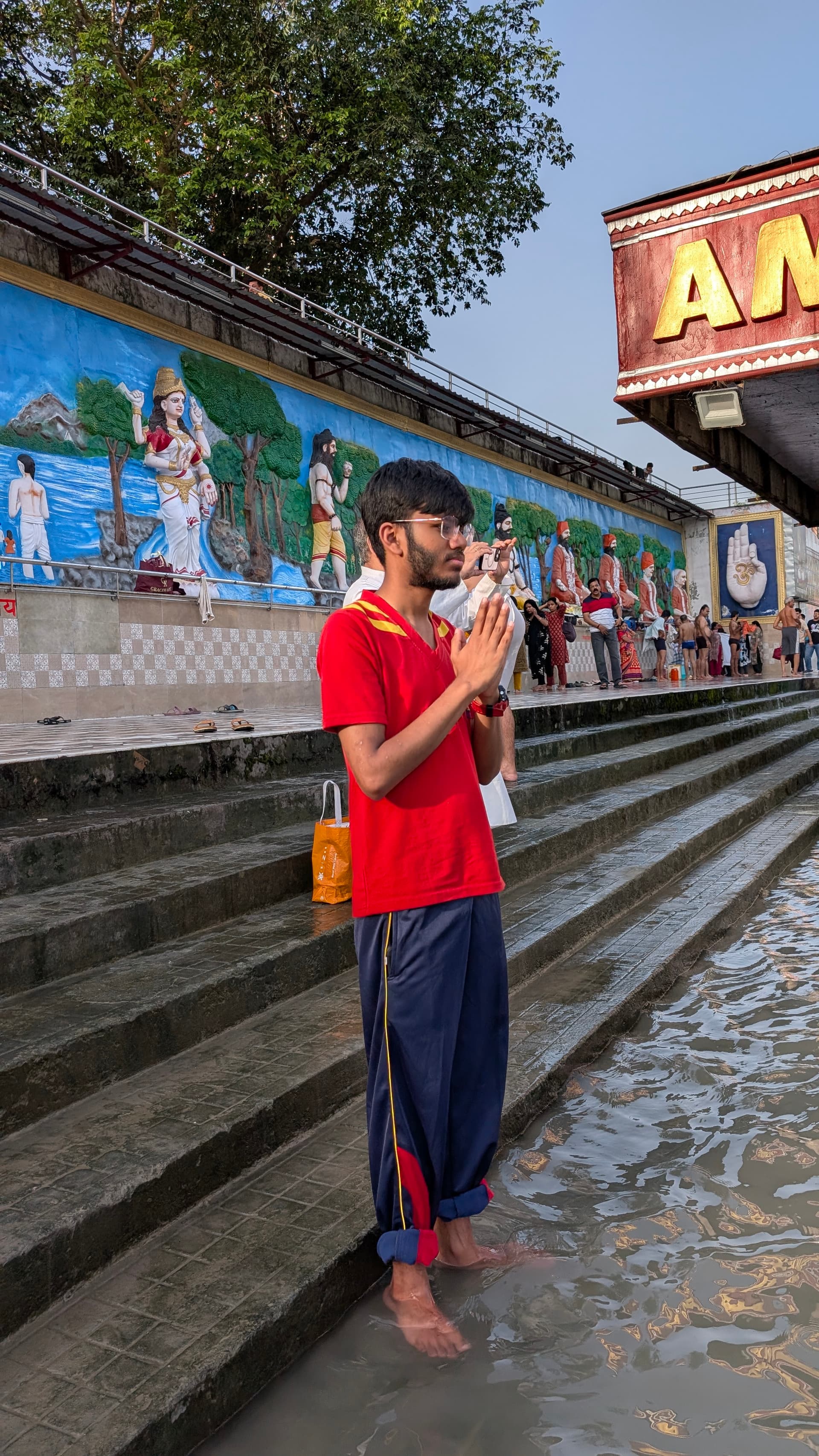
Moulik
Moulik began Amrit Dhara as an engineering capstone at the ghats of Haridwar. The project is deliberately practical: collect what the river receives, test a repeatable recycling pipeline, and route the value back to the women who make the candles.
The work is not to make a beautiful claim. The work is to make a claim that can survive a ledger.